Implementation doctorate – research done inside the company, not next to it
Rendben hosts an implementation doctorate on treating lignocellulosic biomass by rapid decompression. We run the research on equipment we built ourselves, and the aim is a technology ready for deployment.
The problem: 37 million tonnes of straw
Poland produces around 37 million tonnes of straw a year. Some goes back to the fields, some is used for bedding and burning, but it is still a huge stream of lignocellulosic material that could yield far more value than heat from a boiler.
The obstacle is the structure of biomass. Cellulose in the cell wall is wrapped in lignin and hemicelluloses, which protect it from breaking down. To reach the sugars, and through them biogas, fertilisers and further chemistry, this structure first has to be broken open.
The method: rapid decompression
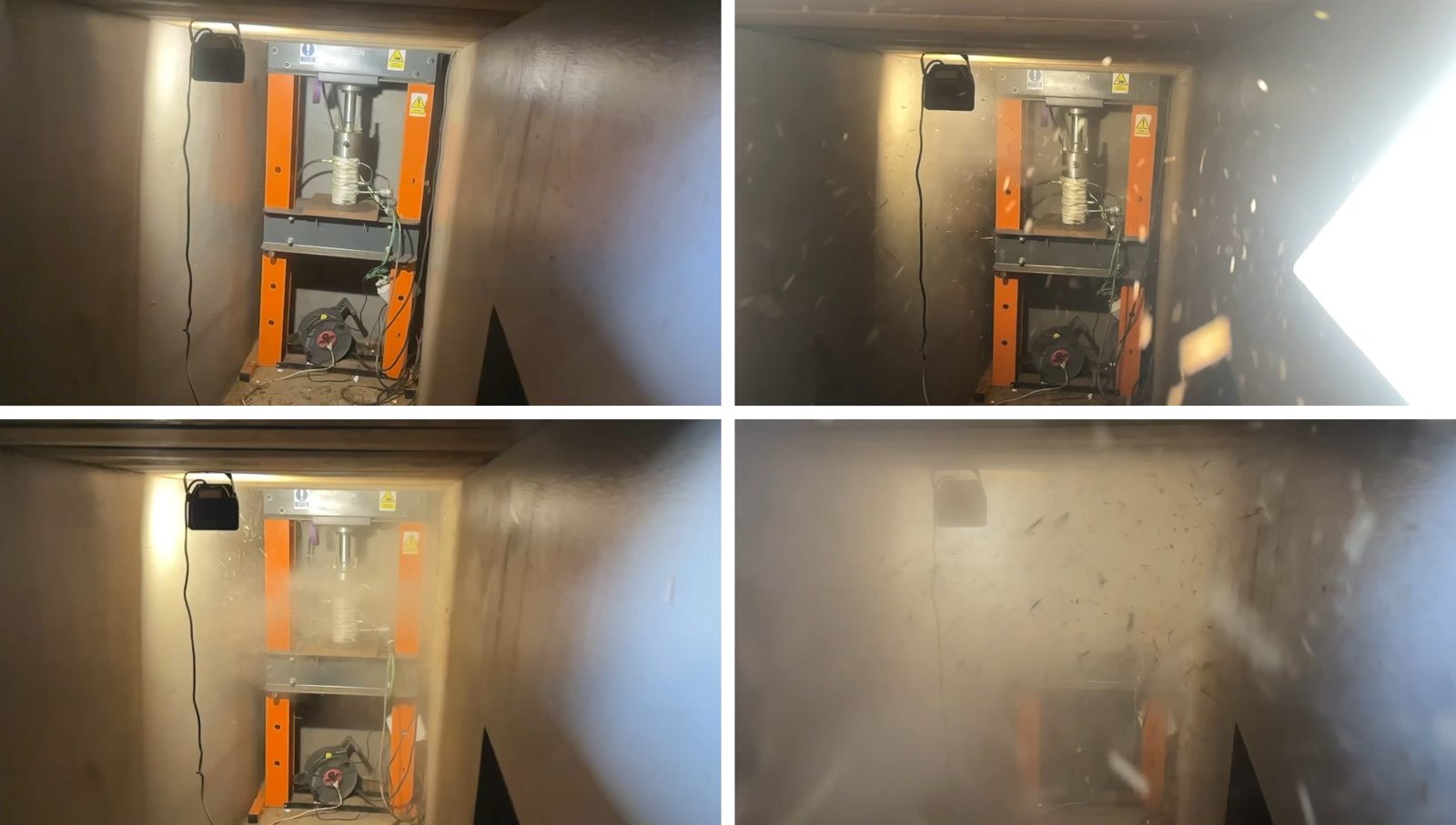
Biomass is saturated under pressure and then rapidly decompressed. Water trapped in the material evaporates explosively and ruptures the cell wall from the inside, opening the cellulose to enzymes.
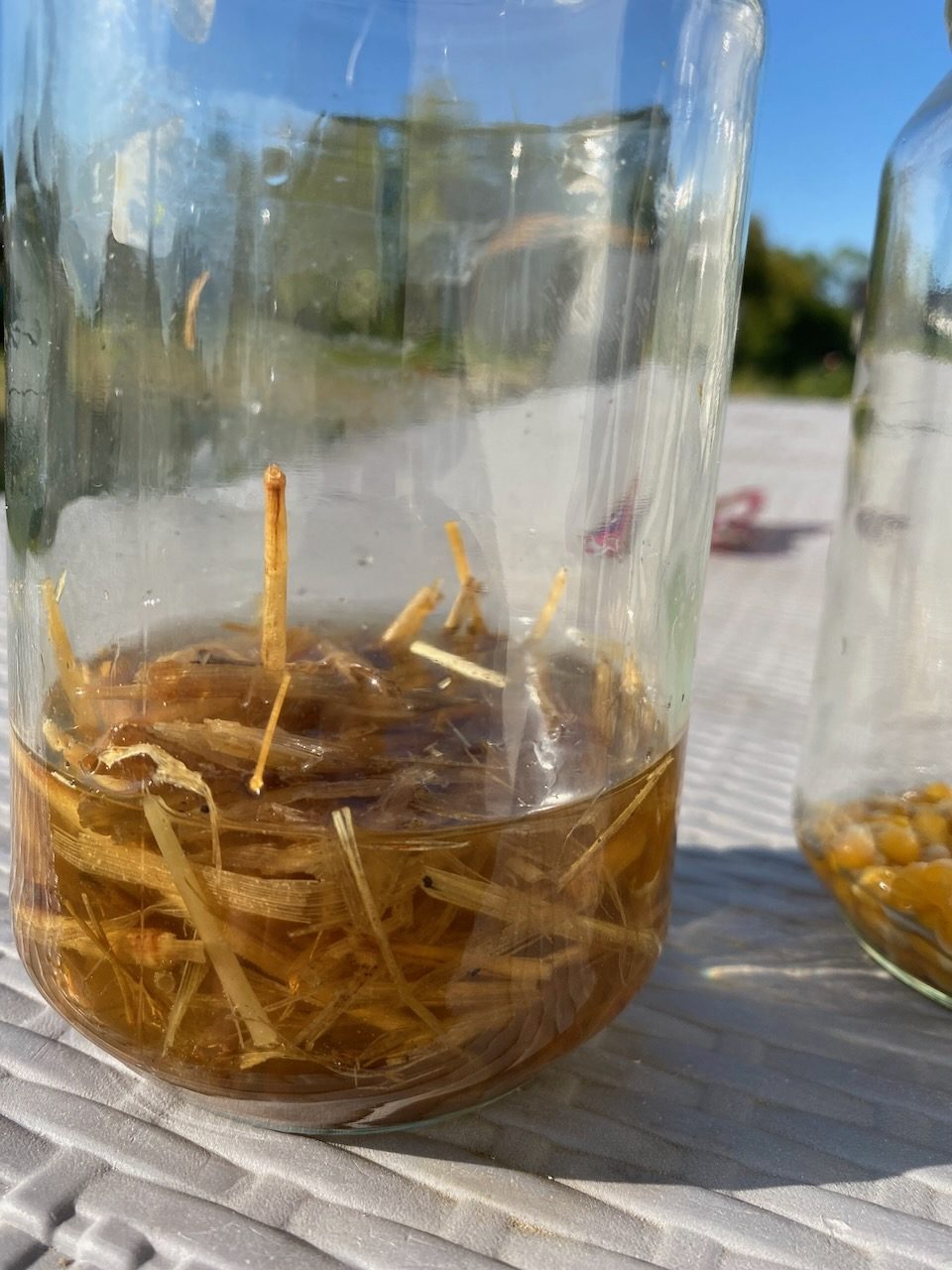
After treatment we carry out enzymatic hydrolysis and assess effectiveness by measuring released glucose by chromatography.
Equipment built from scratch
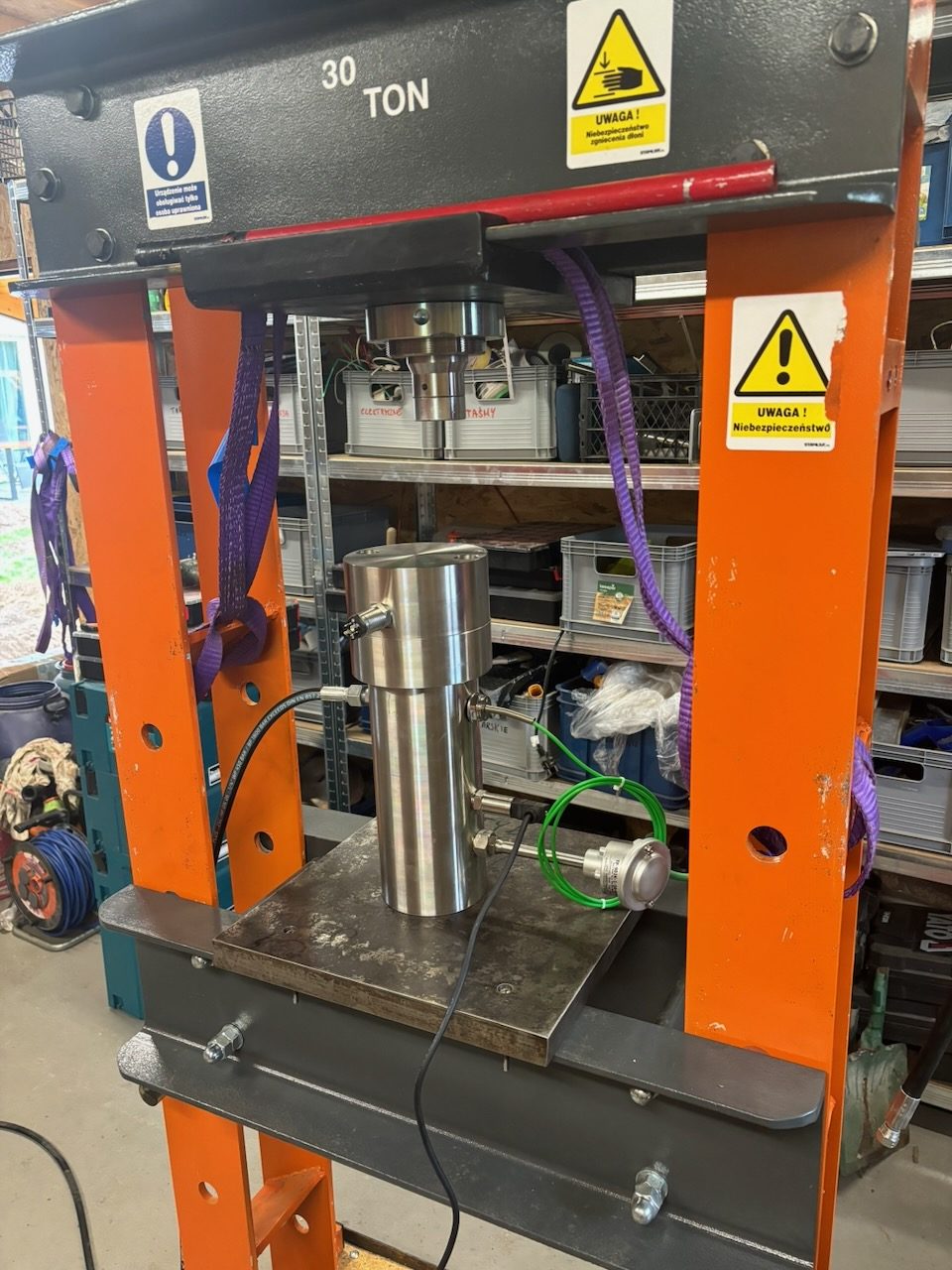
This kind of research cannot be done on purchased equipment, because such equipment does not exist. The reactor was built in-house and has gone through several generations:
- the original plant operating at 8 bar, approved by the Polish Office of Technical Inspection (UDT),
- version 1.0, the first design dedicated to research,
- version 2.0, the current research equipment.
The work included 3D models of the reactor tube and lid, selection of gas valves, pumps and pressure and vacuum sensors, and leak tests closed with a test report.
These are the same skills we use in commercial orders for research equipment. The difference is that here we are our own client.
Publications
The reactor design and treatment method are covered by patent application P.456982 of 12 September 2026 (applicant: Institute of Fluid-Flow Machinery, Polish Academy of Sciences). All applications
The work has produced a review article on lignocellulosic biomass pretreatment methods, published in Sustainability (MDPI, 2025). Two further papers, on the design of the pressure reactor and on the results of straw treatment, are under review. More about publications
Why an implementation doctorate
The programme requires the research to be carried out in a company and aimed at a specific application. For us it is the only sensible way. The reactor stands in the company, trials are run by the same people who then design equipment for clients, and results translate directly into what we can build.
What clients get
A company with its own research facilities understands research clients from the inside. We know what planning an experiment involves, what repeatable measurement requires and why research equipment has to be designed differently from production equipment.
This research was funded by the Ministry of Education and Science of Poland under the 5th edition of the “Implementation Doctorate” programme, grant number DWD/5/0554/2021.
Making use of straw and other agricultural residues is a topic we also pursue as a member of the Circular Economy and Recycling Cluster.
Photos